
Hello, beautiful!
I am Jill Anderson, Head Lingerie Fit Expert here at My Negligee.
If I had a pound for every time a client asked me, “Can I just wear my everyday bra to the gym?” I would be a very wealthy woman! It is a fantastic question, and the answer lies entirely in garment engineering.
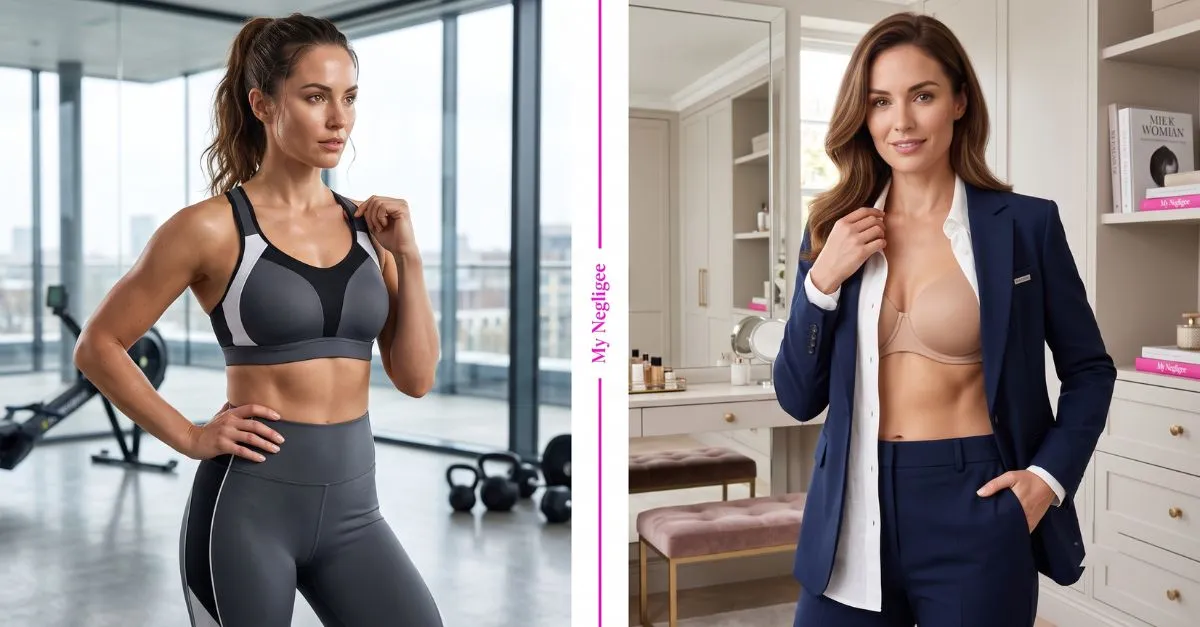
We expect our bras to do a lot of heavy lifting (quite literally!). But expecting a delicate lace balcony bra to support you during a HIIT class is like expecting stilettos to perform well on a hiking trail. Understanding the crucial differences between sports bras vs regular bras acts as the key to protecting your breast tissue, maximising your comfort, and elevating your workouts.
Today, I am sharing my ultimate sports bra guide. We will settle the sports bras vs regular bras debate, decode advanced performance fabrics, and help you choose exactly the right support for every single activity in your diary.
Let’s Find Your Perfect Fit: Sports Bras Vs. Regular Bras!
1. What Is a Sports Bra?
A sports bra acts as a highly specialised piece of engineering. Its primary purpose is bounce control. During exercise, your breasts move in a figure-of-eight pattern, which puts immense strain on the delicate Cooper’s ligaments.
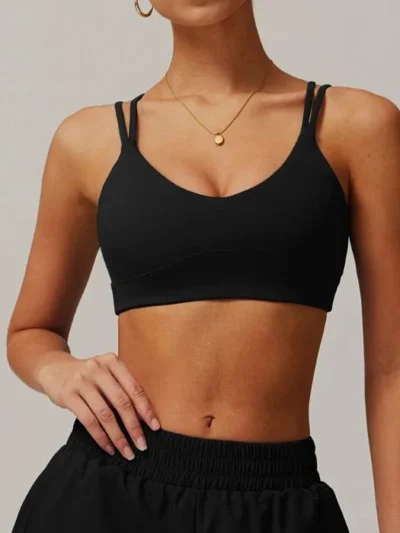
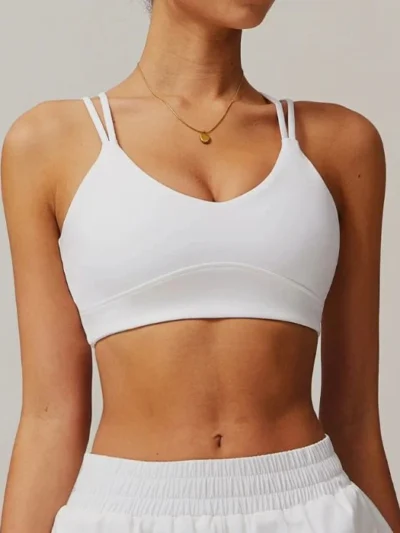
To combat this, the best sports bras utilise high-tension fabrics, wide underbands, and reinforced straps. They usually feature either a compression fit (pressing the breasts firmly against the chest) or an encapsulation fit (supporting each breast individually, like a standard bra). Because of this robust construction, a supportive gym bra UK protects your tissue from irreversible stretching during high-impact activities.
(Curious about how they fit into a wider fitness wardrobe? Read our master Women’s Gym Wear & Activewear Guide).
2. What Is a Regular Bra?
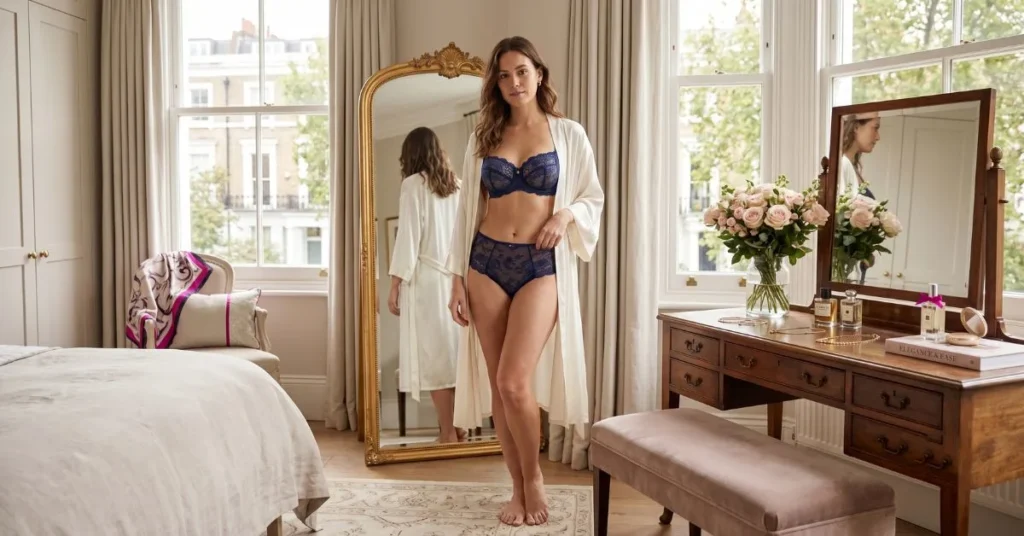
A regular bra (or everyday bra) focuses heavily on shaping, separation, and daily comfort.
While they provide excellent support for walking and sitting, standard bras prioritize aesthetic appeal. They utilise delicate fabrics like lace or lightweight cotton, thinner straps, and rigid underwires to create a lifted, rounded silhouette under clothing. They are absolutely essential for daily life but lack the structural integrity required to restrict violent bounce during a workout.
(Learn more about everyday essentials in our The Complete Bra Fit & Size Guide).
3. Sports Bra vs Regular Bra Comparison
When looking closely at what is the difference between sports bras and regular bras UK, visualising the core functions helps tremendously. Here is how they stack up in our sports bra guide comparison:
| Feature | Sports Bra | Regular Bra |
|---|---|---|
| Support Levels | Excellent (High Tension) | Moderate (Gentle Lift) |
| Comfort | High during exercise | High for everyday wear |
| Bounce Control | Excellent | Limited |
| Breathability | Excellent (Sweat-wicking) | Good |
| Best For | Exercise, Active days | Daily wear, Office, Lounging |
4. Which Bra Should You Wear?
Deciding should you wear a sports bra instead of a regular bra UK depends entirely on your itinerary.
Running & HIIT:
You absolutely must wear a high impact sports bra. The intense vertical movement requires maximum restriction.
Gym Workouts (Weights):
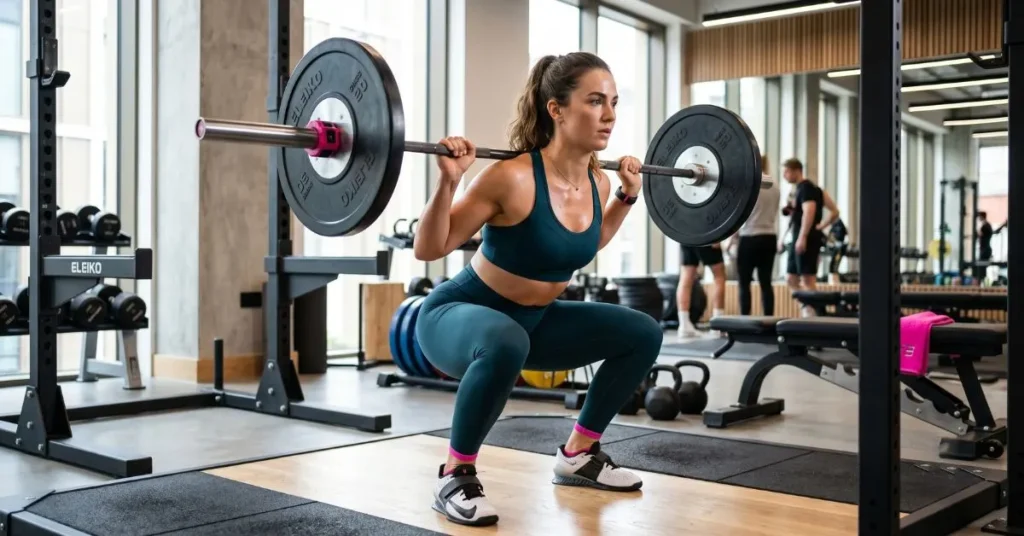
For lifting, a medium impact sports bra or a padded sports bra UK provides excellent support without feeling overly restrictive. (Pair it perfectly using our Top 5 Gym Wear Sets article).
Yoga & Pilates:
A low impact sports bra or a seamless sports bra UK allows for total flexibility and deep breathing during complex flows.
The Office & Daily Wear:
Stick to your regular, everyday bras! They offer superior shaping under blouses and are designed for prolonged, low-impact wear. (Find the best options in Best Bras for Comfort All Day).
Travel:
For long flights, a wireless sports bra UK or a soft lounge bralette offers incredible, dig-free comfort.
5. Choosing the Right Sports Bra
Our sports bra guide categorises support into three distinct impact levels. You must match the bra to the workout:
Low Impact:
Perfect for walking, stretching, and yoga. These bras rely on gentle compression and soft fabrics.
Medium Impact:
Ideal for cycling, brisk walking, and moderate weightlifting. They offer firmer bands and slightly more structured cups.
High Impact:
Essential for running, aerobics, and horseback riding. These bras often feature encapsulation technology, wide padded straps, and firm, rigid fabrics to eliminate bounce completely.
6. Fabric Comparison: The Science of Support
As a garment technologist, I must highlight that the fabrics used in sports bras vs regular bras differ wildly.
When you seek the best sports bras for gym workouts UK, you must look for performance fabrics. We engineer our activewear using advanced nylon and elastane blends. These materials provide exceptional stretch recovery meaning they snap back firmly after intense movement.
Furthermore, you desperately need a moisture wicking sports bra UK. While an everyday cotton bra absorbs sweat (leaving you cold and damp), premium breathable activewear actively pushes sweat away from the skin to evaporate quickly. We also strategically place mesh panels in high-heat zones to regulate your body temperature. (Learn more in our Gym Wear Fabrics Explained article).
7. Common Mistakes to Avoid
To master this sports bra guide, you must avoid these classic bra fitting mistakes:
Wearing Everyday Bras to the Gym:
This destroys the delicate elastics in your regular bra and provides zero protection for your breast tissue. Sports bra vs everyday bra for exercise UK is not a debate; you must wear activewear for active pursuits!
Choosing the Wrong Impact Level:
Wearing a low-impact yoga crop top for a 5k run guarantees severe discomfort.
Buying the Wrong Size:
A sports bra must fit snugly to work, but it should never restrict your breathing. Always consult a reliable sports bra size guide UK before buying! (Unsure of your measurements? Use our tutorial: How to Measure Bra Size at Home).
8. Frequently Asked Questions (FAQs)
Q: Can I wear a sports bra every day?
A: While you can, we do not recommend wearing high-compression sports bras all day, every day, as they can restrict lymphatic drainage. Save them for workouts or active days, and use comfortable, wire-free everyday bras for lounging.
Q: Are sports bras better than regular bras?
A: They are not “better”—they just perform a completely different job! Sports bras excel at bounce control, while regular bras excel at shaping and daily comfort.
Q: Which sports bra is best for running?
A: You absolutely need a firm, high impact sports bra, preferably one utilising encapsulation (separate cups) rather than just compression, to fully secure heavier busts.
Q: How tight should a sports bra be?
A: It should fit significantly firmer than a regular bra, but you should still be able to slide two fingers comfortably under the straps and the band. If it hurts your ribs, it is too small!
Support Every Aspect of Your Life
Understanding the differences between sports bras vs regular bras empowers you to build a truly functional, supportive wardrobe. By choosing the right tool for the job, you protect your body, enhance your comfort, and look fabulous doing it.
Whether you are preparing for a marathon or a marathon meeting at the office, we have exactly what you need. Use this sports bra guide to upgrade your fitness drawer, explore our Women’s Gym Wear & Activewear Guide, or find your new daily favourite in our Bras That Offer Support Without Sacrificing Style collection.
[Shop Our Collection of High-Performance Sports Bras and Everyday Bras Today!]
About the Author: Jill Anderson
Jill Anderson is a certified Lingerie and Activewear Fit Expert with over 6 years of experience helping women across the UK find their perfect fit. A Fashion Graduate from the London College of Fashion, Jill applies her deep technical knowledge of garment construction and UK bra sizing to ensure every recommendation serves both your style and physical well-being.